
Continuous Glucose Monitoring (CGM)
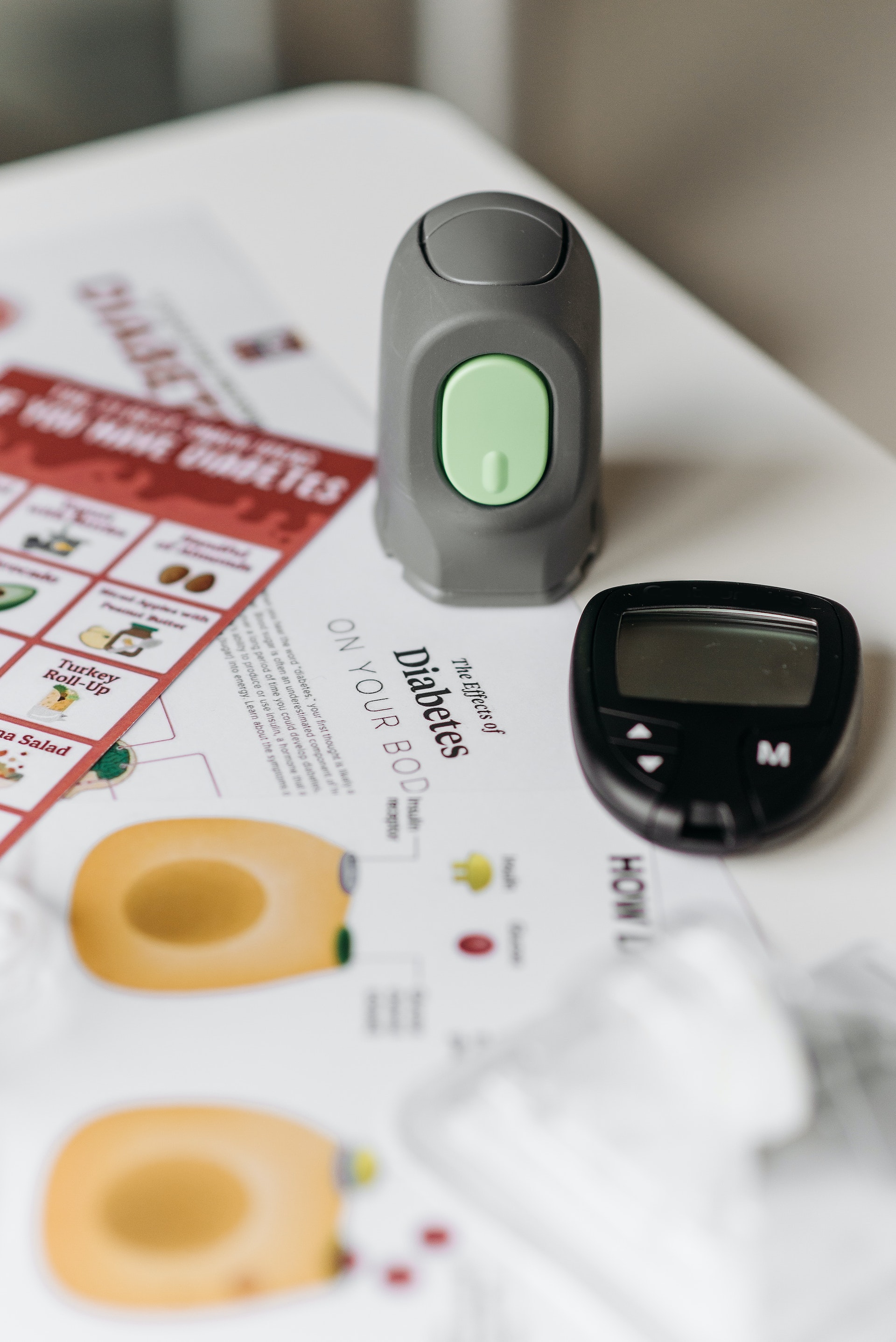
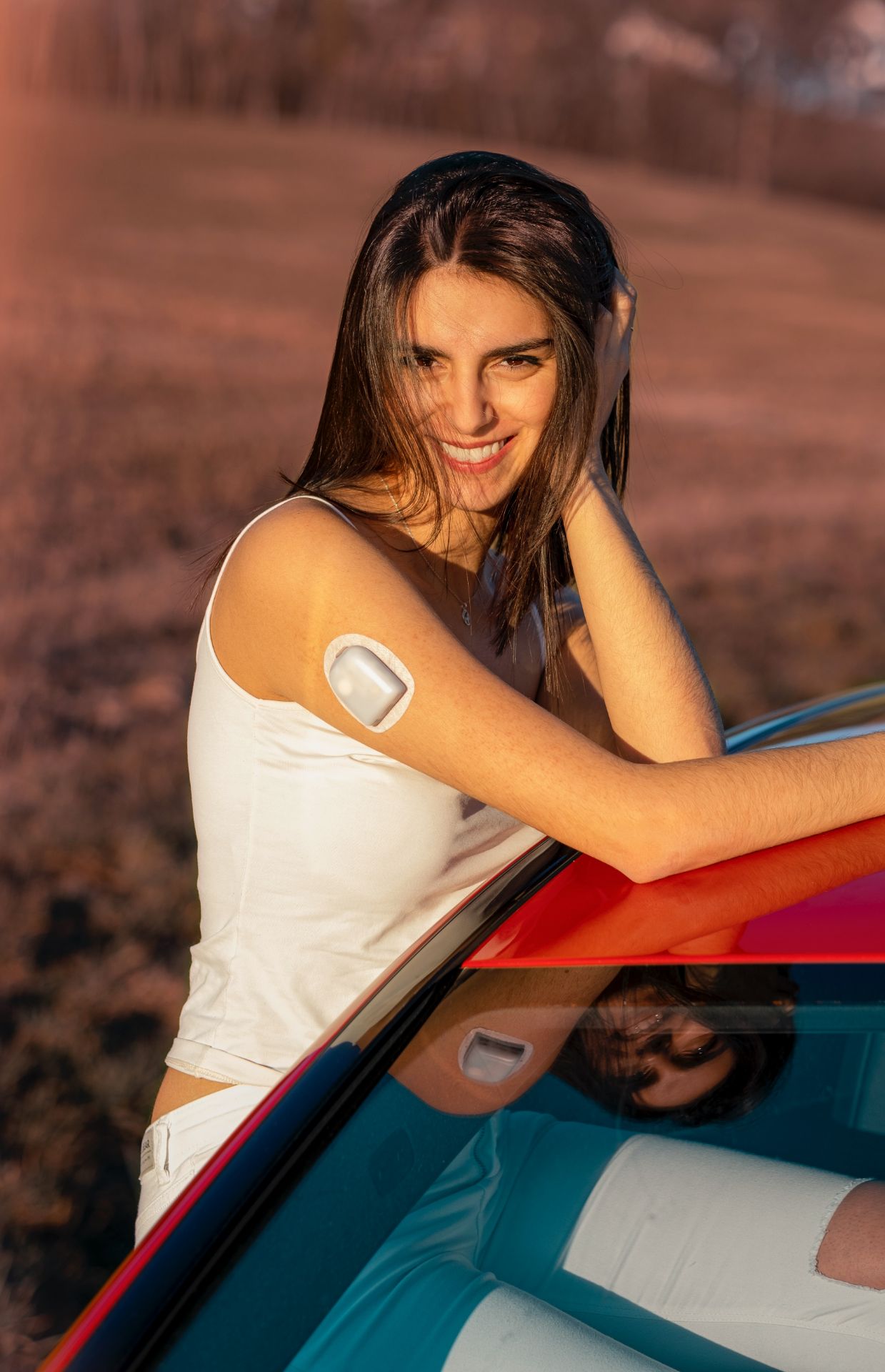
Continuous glucose monitoring automatically tracks your blood sugar level every few minutes, throughout the day and night, whether you’re showering, working, exercising, or sleeping. You can see your glucose level at any time, see how levels have changed over a few hours or days and discover trends. This can help you make more informed decisions about how to balance your food, physical activity, and medicines. A discrete sensor is inserted just under your skin, usually on your belly or arm. A transmitter wirelessly sends the sugar level to a monitor, smart phone or insulin pump every few minutes. A CGM system is more expensive than using a standard glucose meter. Check with your medical aid to see whether the costs will be covered.
Insulin Infusion Pump Therapy
For some of our friends living with diabetes, regular use of insulin injections may not result in reasonable control of their blood sugar. And for our very young ones, the idea of multiple daily injections insulin without support can be overwhelming and intimidating. To help them get the treatment they need in a manner they are comfortable with, we have established an accredited Insulin Pump Centre. An insulin pump is a device the size of a pager that contains a syringe reservoir filled with insulin. You wear the pump outside your body and a small, flexible tube connects the reservoir of insulin to a catheter that you insert under the skin of your abdomen.
Thanks to newer generation pumps, there are now improved closed-loop systems which combines a continuous glucose monitoring (CGM) sensor with an insulin pump to automate the delivery of insulin. This closed-loop system is sometimes referred to as an “artificial pancreas” because it aims to replicate how a pancreas would react to rising or falling blood glucose levels. Accessing and analysing data from the pump system has become easier due to software, which is available to the patient and health care team. This has enabled monitoring of a more recent clinical target of Time in Range’, which is more closely aligned with safe and effective diabetes control.